How to Choose the Right Shopify Website Design Service
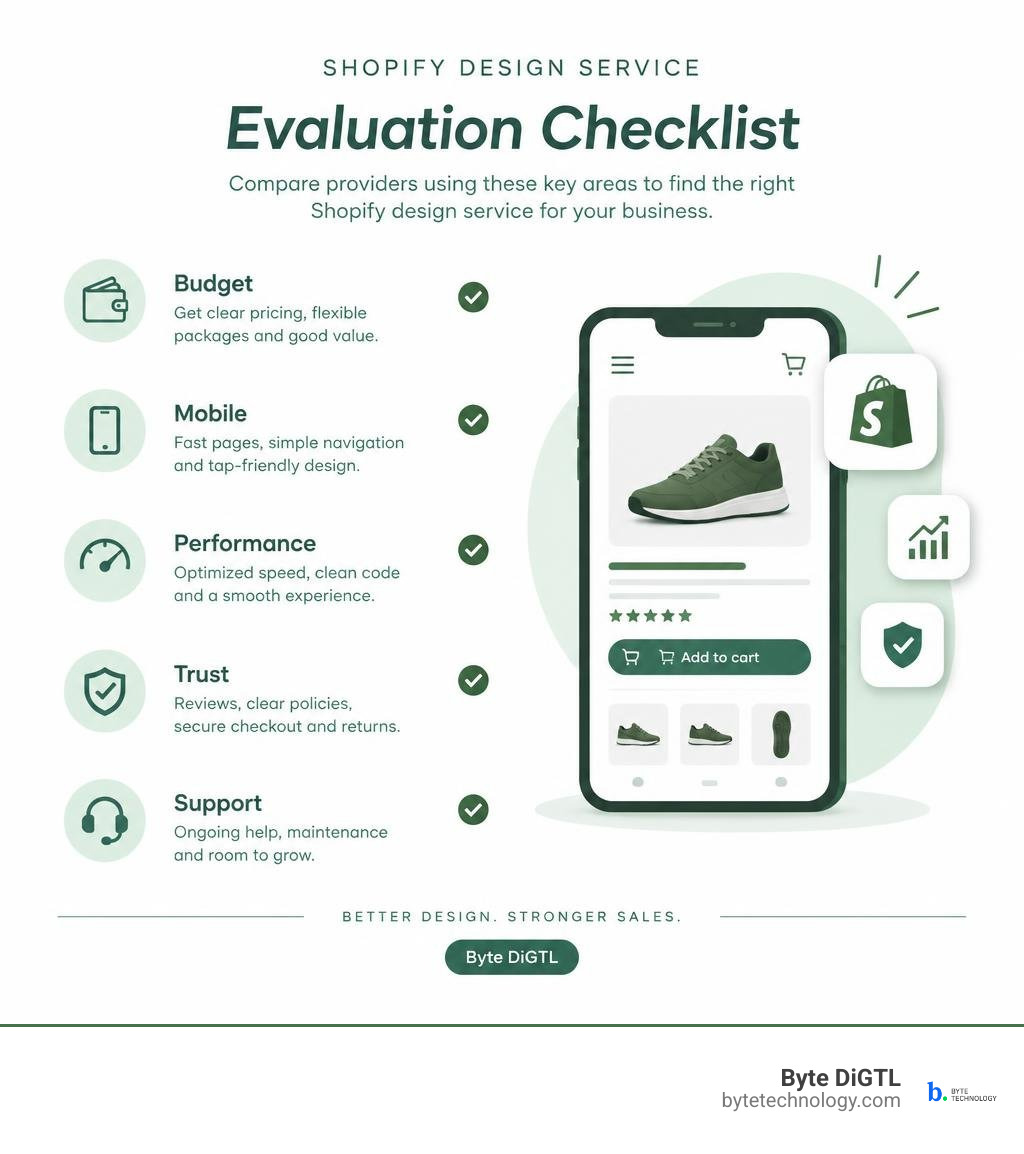
Effective Shopify website design makes it easy for people to understand your offer, find products, trust your brand, and check out on a phone. When comparing design services, look for a provider that can deliver:
- A clear value proposition and product-focused visual hierarchy
- Fast, mobile-first pages with simple navigation
- Accessible design, readable content, and keyboard-friendly interactions
- Trust builders such as reviews, policies, secure checkout cues, and clear returns information
- A practical plan for SEO, app choices, maintenance, and future growth
A beautiful store is not enough if it is slow, confusing, or hard to update. Mobile devices generate more than half of website traffic, so your designer should treat mobile performance and tap-friendly shopping as core requirements, not final polish.
The right scope depends on your budget and goals. A proven theme can be a smart starting point for a new store, while theme customization or a fully custom build can make sense when your brand, catalog, integrations, or conversion needs outgrow a standard layout. This guide explains how to compare agencies, freelancers, and service packages without paying for features your business does not need.
At Byte DiGTL, our approach to Shopify website design centers on fast, maintainable storefronts that support real business goals across UX/UI, technical SEO, accessibility, and scalable e-commerce systems.
Core Principles of High-Converting Shopify Website Design
Great e-commerce web design balances aesthetics with functional performance. An attractive store might catch someone’s eye, but a clear structure converts browsers into buyers. E-commerce sites with optimized design see up to 25% higher sales. Achieving those numbers requires focusing on core principles that guide user attention directly to the checkout button.
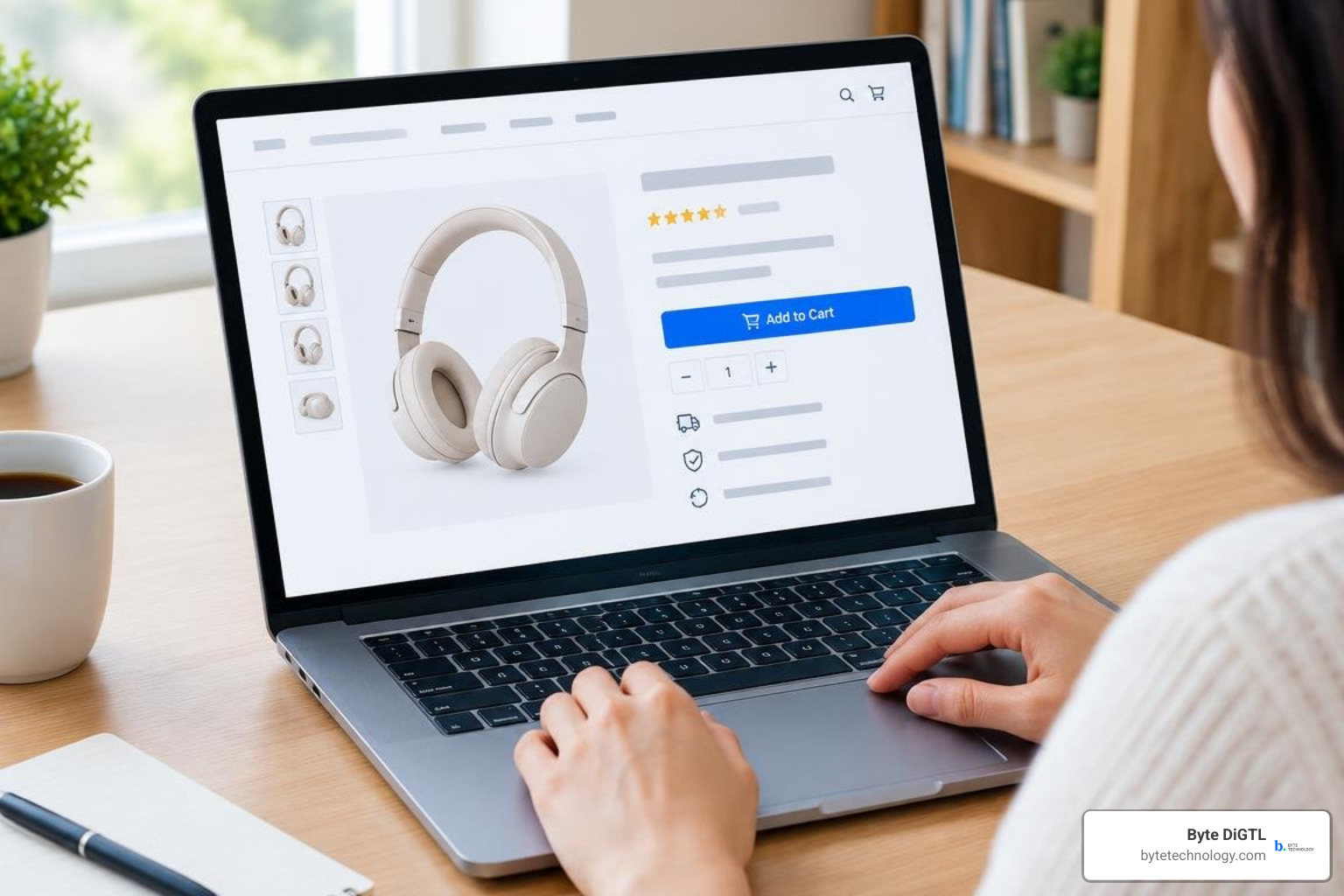
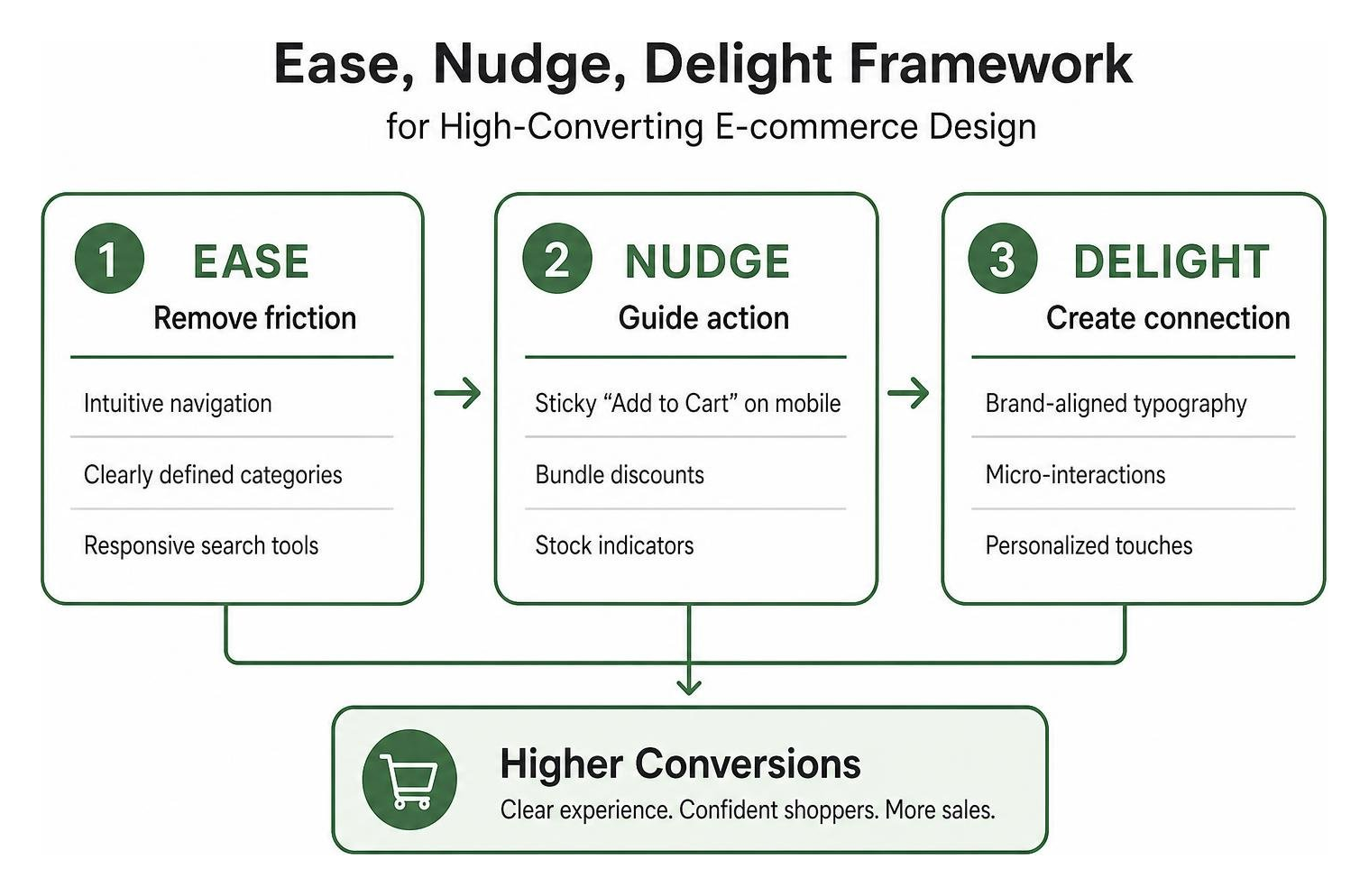
A helpful framework to evaluate design is ease, nudge, and delight:
- Ease: Remove friction. Navigation must be intuitive, categories clearly defined, and search tools responsive. Shoppers should never wonder where to click next.
- Nudge: Use subtle visual cues. Sticky “Add to Cart” bars on mobile, bundle discounts, and stock indicators encourage shoppers to take action without feeling aggressive.
- Delight: Provide polish through brand-aligned typography, micro-interactions, editorial imagery, and personalized touches.
Trust signals are another non-negotiable pillar. Placing high-volume social proof above the fold reassures first-time visitors immediately. For example, prominent brands like Magic Spoon showcase over 80,000 5-star reviews directly on their homepage. Badges highlighting money-back guarantees, secure payment gateways, and transparent shipping policies build immediate confidence.
Speed is just as critical. Mobile devices account for more than half of website traffic, meaning slow loading times directly destroy conversions. Lightweight foundation themes, such as Shopify’s Dawn theme, can achieve 99% performance scores on mobile when built correctly.
Evaluating Themes vs. Custom Shopify Website Design
One of the biggest decisions you will face is whether to use a pre-built theme, customize an existing theme, or commission a fully custom build. Each path has distinct trade-offs in cost, launch speed, and flexibility.
| Feature / Criteria | Pre-Built Theme | Customized Theme | Full Custom Build |
|---|---|---|---|
| Initial Investment | Low ($0 – $400 theme fee) | Moderate ($2,500 – $8,000) | High ($10,000 – $30,000+) |
| Launch Timeline | 1 to 2 weeks | 2 to 6 weeks | 8 to 16+ weeks |
| Design Uniqueness | Standard layout; common feel | Distinct brand styling | 100% bespoke architecture |
| Performance Potential | High (e.g., Dawn theme out of the box) | High (with disciplined coding) | Maximum (tailored asset loading) |
| Code Flexibility | Limited to built-in settings | Custom Liquid and section blocks | Complete custom architecture |
| Ongoing Maintenance | Easy native updates | Moderate theme maintenance | Requires dedicated developer support |
Pre-built themes work well for startups testing product-market fit. Custom Liquid code modifications allow growing brands to solve conversion bottlenecks without rebuilding from scratch. Full custom builds are best suited for enterprise merchants with complex back-end integrations, unique product customizers, or advanced internationalization requirements.
Balancing Visual Storytelling with 2026 Performance Standards
Modern consumers expect engaging, editorial-grade storytelling. However, heavy video backgrounds and uncompressed imagery can quickly degrade Core Web Vitals, dragging down conversion rates and search rankings.
To balance rich storytelling with performance:
- Compress all media: Convert standard imagery to modern WebP formats and stream short hero loops using lightweight formats without audio tracks.
- Prioritize loading sequences: Load critical above-the-fold content first, lazy-loading lifestyle photos and social feeds further down the page.
- Use native section blocks: Avoid third-party page builders that inject bloated JavaScript libraries into your theme header.
Boutique brands frequently draw creative inspiration from curated design portfolios that demonstrate how rich brand personality and distinct color palettes can live harmoniously alongside snappy page speeds.
Key 2026 Trends Shaping Modern Shopify Stores
E-commerce design in 2026 embraces character, warmth, and tangible aesthetics, moving away from the sterile, cookie-cutter layouts that dominated past years.
Nostalgia, Nature-Inspired Palettes, and Micro-Interactions
Consumers crave authenticity. We are seeing a major shift toward:
- Retro and expressive typography: Serif headers, 70s-inspired vintage lettering, and bold packaging-inspired fonts create an immediate emotional connection.
- Earthy, natural color palettes: Soft greens, warm terracottas, and muted neutrals reflect transparency, wellness, and sustainability.
- Tactile micro-interactions: Playful hover states, smooth drawer carts, and subtle scroll-triggered reveals make digital browsing feel physical and engaging.
These design choices humanize your brand, helping your products stand out in crowded direct-to-consumer categories like specialty foods, wellness, and apparel.
Mobile-First Navigation and Accessible Storefront Architecture
Designing for mobile first means restructuring how users discover products on smaller screens:
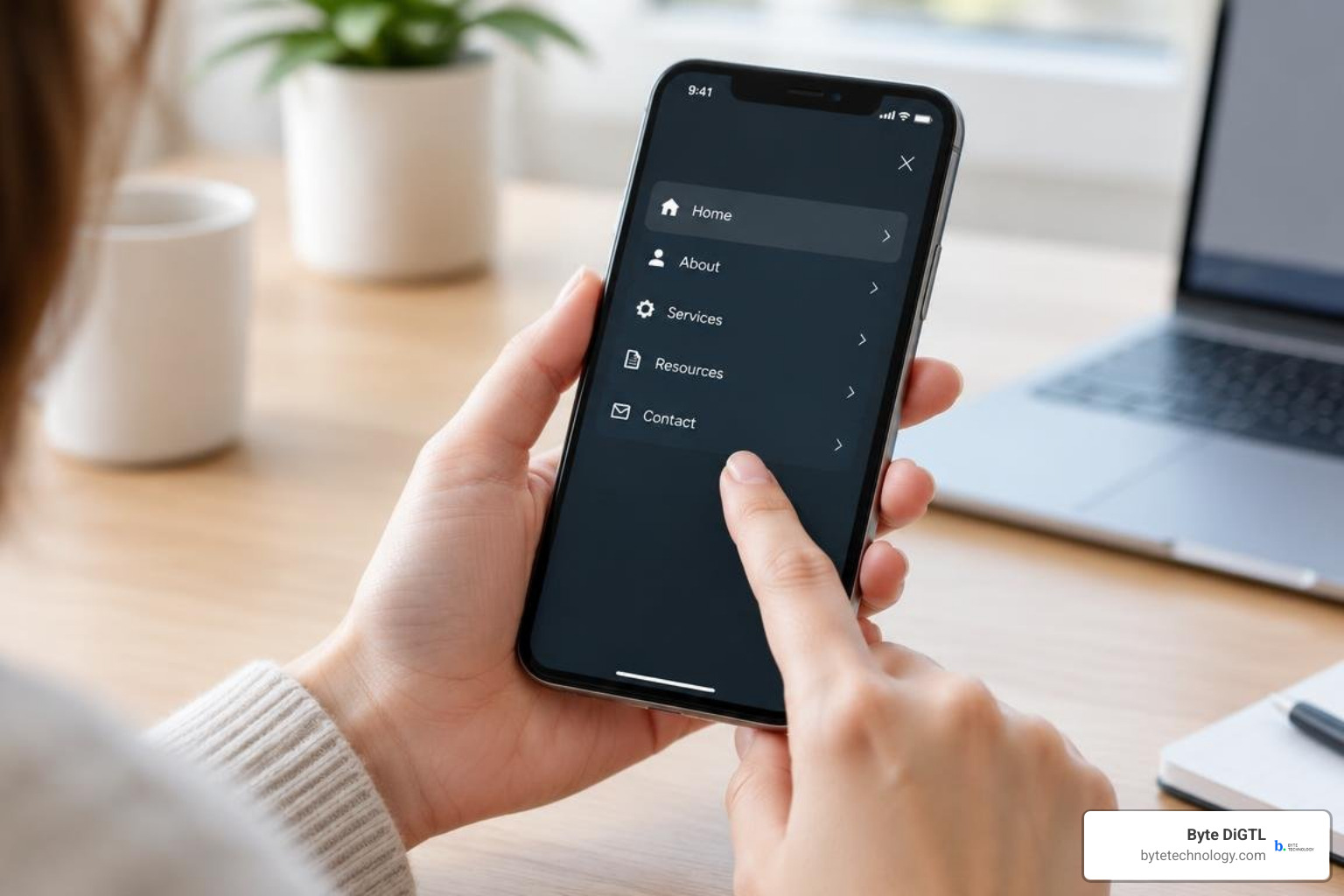
- Sticky navigation and quick-buy actions: Keep search and purchasing options visible as users scroll long story pages.
- Horizontal product carousels: Allow shoppers to swipe through complementary collections without endless vertical scrolling.
- Decision fatigue reduction: Implement smart tagging, interactive collection filters, and bundle builders so users can find the right item in fewer taps.
Accessibility must be baked in from the start, not added as an afterthought. Accessible web design ensures your store can be navigated via keyboards, screen readers, and high-contrast display settings. Aligning with Web Content Accessibility Guidelines (WCAG), maintaining compliant color contrast, and organizing logical H-tag hierarchies improves the experience for all users while strengthening organic SEO rankings.
How to Compare Shopify Design Agencies, Freelancers, and Service Packages
Selecting a design partner requires vetting both artistic capabilities and technical engineering standards.
Budget Tiers and Service Scopes for Shopify Website Design
Shopify design pricing generally falls into three distinct tiers:
- Turnkey Sprints ($2,000 to $5,000): Ideal for simple catalog setups. Focuses on configuring a pre-built theme, uploading brand assets, setting up essential apps (reviews, email marketing), and launching within two to three weeks.
- Custom Growth Builds ($5,000 to $15,000): Tailored for expanding brands. Includes custom UX wireframing, bespoke Liquid section development, conversion rate optimization, average order value (AOV) tools like upsell drawers, and advanced third-party integrations.
- Enterprise Architecture ($15,000+): Comprehensive design systems for high-volume retailers. Includes custom multi-currency routing, B2B wholesale portals, complex ERP integrations, and deep performance tuning.
Vetting Portfolios, Technical Capabilities, and Post-Launch Support
When interviewing potential agencies or freelancers, ask targeted questions:
- Can you share live URLs of stores you have built, not just static mockups? (Run their live client sites through Google PageSpeed Insights on mobile).
- How do you minimize app bloat? (A skilled developer builds custom section blocks using Liquid and native CSS rather than installing paid apps for basic visual features).
- What does post-launch support entail? (Ensure your agreement includes bug fixes, browser testing warranties, and client training videos so your internal team can manage inventory effortlessly).
Frequently Asked Questions About Shopify Web Design
What is the typical timeline and cost for a professional Shopify store build?
A standard theme configuration project typically takes 2 to 4 weeks and costs between $2,500 and $5,000. Fully custom Shopify website design projects that involve bespoke wireframing, custom Liquid development, and complex data migration generally take 8 to 12 weeks and range from $8,000 to $25,000 or more.
How does custom Shopify design impact mobile page speed and SEO?
A well-coded custom design significantly improves mobile page speed and SEO performance. By writing lean, tailored Liquid code and avoiding bloated page-builder apps, developers can create lightning-fast shopping experiences. Clean structural markup, optimized schema tags, and fast Core Web Vitals directly improve your Google search visibility.
Should small businesses start with a pre-built theme or custom design?
Small businesses launching their first store should usually start with an optimized pre-built theme like Dawn. This keeps upfront capital costs low while allowing you to validate your product catalog. Once your store achieves consistent revenue, reinvesting profits into a customized layout tailored to your customer data is a safer, high-ROI approach.
Conclusion
Choosing the right partner for your e-commerce journey comes down to balancing visual storytelling with bulletproof technical execution. A high-performing store must captivate your audience, load instantly on mobile networks, and guide shoppers effortlessly toward checkout.
At Byte DiGTL, we specialize in building fast, scalable storefronts engineered for sustainable growth. Whether you are launching a new product line or upgrading your existing store infrastructure, explore our professional Shopify e-commerce development services to build an online experience that converts.