
Why Are Database Maintenance Services Essential for Businesses in 2026, and What Benefits Do They Offer?
In the rapidly evolving digital landscape of May 2026, robust database software maintenance is no longer a luxury but a critical necessity for businesses of all sizes, including those in Littleton CO, Denver CO, Monterey CA, New York NY, Minneapolis MN, and Dallas TX. Database maintenance services encompass a range of proactive and reactive tasks designed to keep your data infrastructure running optimally. These services are essential because databases are the undisputed backbone of modern business operations, powering everything from e-commerce transactions to critical internal applications. Their health directly impacts business continuity and the ability to make data-driven decisions.
The benefits of engaging with professional database maintenance services are substantial. For many organizations, outsourcing these critical functions to specialized providers offers significant advantages over managing them with an in-house team. One of the most compelling reasons is the potential for considerable cost savings. For instance, the cost of hiring a full-time, senior SQL Server DBA can exceed $120,000 annually. By contrast, outsourcing can provide access to a team of experts for a fraction of that cost, often reducing operational data costs by up to 60 percent.
Beyond cost, outsourcing provides access to specialized expertise and round-the-clock (24/7) coverage that might be difficult or expensive to maintain internally. This ensures that your databases are continuously monitored and managed by professionals who are up-to-date with the latest technologies and best practices. Furthermore, it offers enhanced scalability and flexibility, allowing your data infrastructure to adapt seamlessly to business growth and changing demands without the need for immediate, costly internal hires.
In May 2026, robust database maintenance also translates into improved data security and a stronger compliance posture. Expert providers implement advanced security measures, ensuring your sensitive data is protected against evolving threats and adheres to regulatory requirements. These services minimize downtime, improve system reliability, and free up your internal teams to focus on strategic initiatives rather than day-to-day database upkeep.
To learn more about optimizing your data infrastructure, we invite you to explore the best database optimization maintenance services for growing businesses and discover why website optimization and maintenance is your digital life support.
What Core Services Do Leading Database Maintenance Providers Offer?

Leading database maintenance providers offer a comprehensive suite of services designed to ensure the optimal performance, security, and availability of your data. These core offerings are crucial for businesses operating in today’s demanding digital environment.
Proactive Monitoring and Performance Tuning
At the heart of effective database maintenance is comprehensive monitoring and alerting. This involves continuous oversight of database health, resource utilization, and performance metrics to detect and address potential issues before they impact operations. Performance tuning is another critical service, including query optimization, index management, and overall database configuration adjustments to ensure your applications run at peak efficiency. Our experience shows that proactive monitoring prevents many incidents before they occur.
Robust Security and Compliance
With cyber threats constantly evolving, robust security measures are paramount. Top providers offer services such as regular patching, vulnerability management, access control implementation, and security audits to protect your data from unauthorized access and breaches. They also help ensure compliance with various data protection regulations, which is vital for businesses handling sensitive information.
High Availability and Disaster Recovery
To guarantee uninterrupted business operations, providers focus on high availability and disaster recovery planning. This includes implementing automated backups, establishing failover solutions, and designing resilient database architectures that can withstand outages and data loss. These measures are critical for maintaining business continuity in the face of unexpected events.
Cloud Integration and Diverse Database Support
Modern businesses often leverage cloud platforms. Database maintenance providers offer cloud migration and management services for various platforms, including AWS, Azure, and Google Cloud, ensuring seamless transitions and optimized cloud-native operations. They also provide expert support for diverse database environments, such as SQL Server, PostgreSQL, MySQL, MongoDB, and Oracle, catering to the varied needs of our clients across our service areas.
Legacy System Support and Capacity Planning
For organizations still relying on older systems, specialized providers offer legacy system support, sometimes including “virtual patching” for older database versions no longer officially supported by vendors. Additionally, capacity planning and resource management services help businesses anticipate future data growth and ensure their infrastructure can scale accordingly. It is worth noting that 93 percent of large organizations had database management tools in place for their team in May 2026, underscoring the widespread need for these services.
It is vital to focus on keeping regular maintenance tasks part 1 and staying check keeping important regular maintenance tasks part 2 to maintain a healthy database environment.
How Do Businesses Choose the Right Database Maintenance Provider for Their Specific Needs?
Selecting the ideal database maintenance service provider is a strategic decision that requires careful consideration of several factors. The right partner will align with your business objectives, technological stack, and operational requirements.
Evaluating Expertise and Scalability
First, assess the provider’s expertise across the specific database technologies you utilize. Whether your environment relies on SQL Server, PostgreSQL, MySQL, or cloud-native databases, ensure the provider has a proven track record with those platforms. Scalability is equally important; the provider should be able to match your current needs and seamlessly adapt to future business demands and data volume growth. We recommend estimating your data volume growth for the next five years to ensure long-term compatibility.
Support Models and Cost Comparison
Different support models exist, including 24/7 coverage, onshore, offshore, or hybrid teams. Consider which model best fits your operational hours, data residency requirements, and communication preferences. When comparing managed services to in-house database administration, evaluate the total cost of ownership (TCO). This includes not only licensing and hardware but also personnel costs, training, and the opportunity cost of diverting internal resources. While the cost of a full-time senior DBA can be high, a managed service provider can offer a more cost-effective solution, particularly for businesses in our service regions like New York NY or Dallas TX.
Defining Your Needs and Team Capabilities
Before engaging with a provider, clearly define your primary use cases. Are you primarily dealing with Online Transaction Processing (OLTP) for high-volume transactions, or Online Analytical Processing (OLAP) for complex data analysis? This distinction will guide the type of expertise and services you require. Additionally, evaluate the technical skill set of your current team (e.g., SQL versus NoSQL proficiency) to determine where external support can best complement your internal capabilities and reduce training time.
In May 2026, PostgreSQL takes the number one spot as the most popular DBMS for professional developers, followed by MySQL and SQLite. This trend indicates a strong demand for expertise in these open-source platforms. Understanding these popularity trends can also inform your selection process.
For a deeper dive into budget considerations and service offerings, we encourage you to review our guide on web development and support pricing.
What Modern Trends and Technologies Are Shaping Database Maintenance Services?
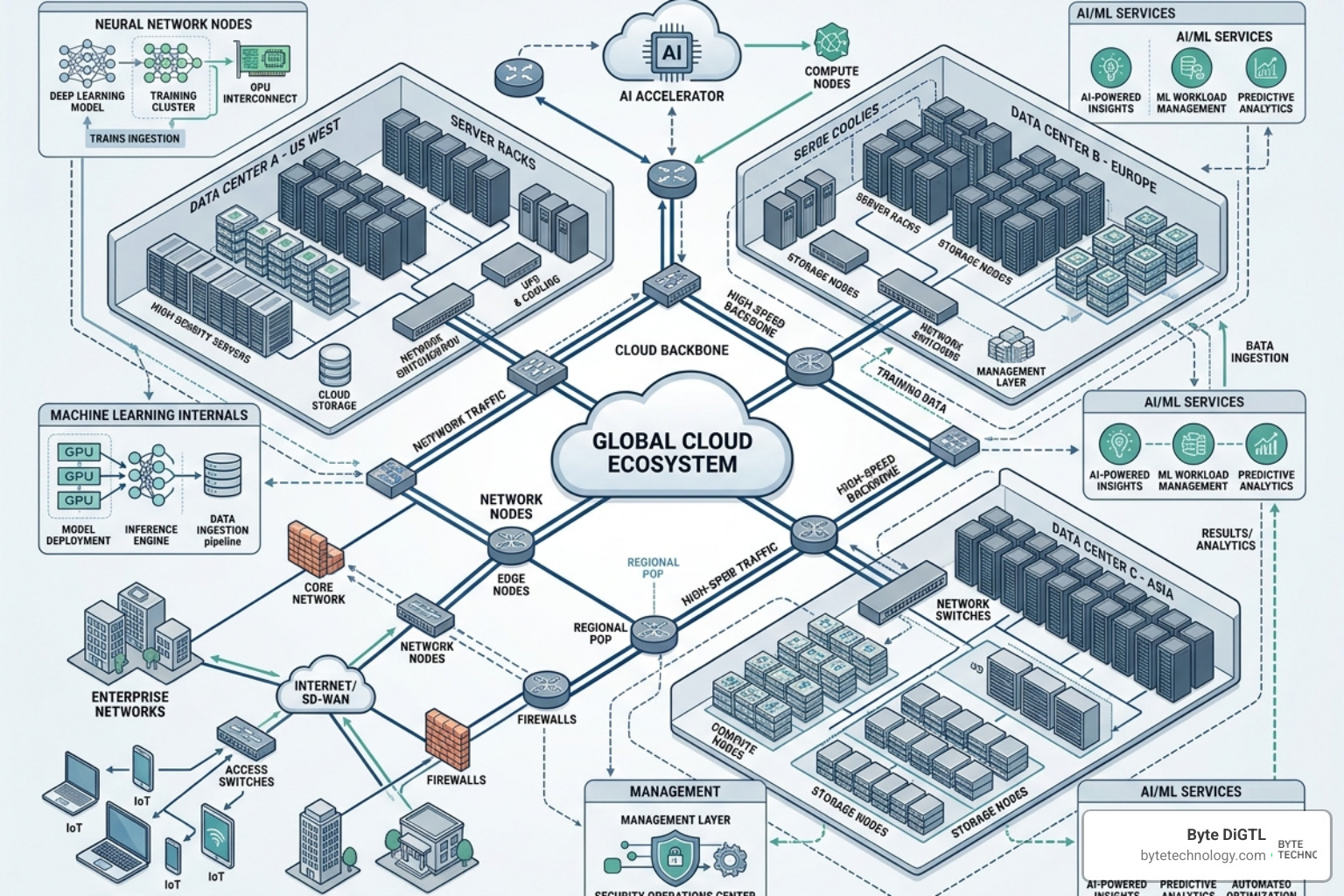
The landscape of database maintenance services is continuously evolving, driven by rapid technological advancements and changing business needs. In May 2026, several modern trends and technologies are fundamentally reshaping how databases are managed and maintained.
Cloud Migration and Advanced Disaster Recovery
Cloud migration continues to be a dominant trend, with businesses increasingly leveraging Platform as a Service (PaaS) and Infrastructure as a Service (IaaS) models for their databases. This shift necessitates specialized maintenance services that can manage databases effectively within cloud environments, optimizing performance and cost. Alongside this, advanced disaster recovery strategies are crucial, including multi-region replication and automated failover capabilities to ensure maximum uptime and data resilience.
Compliance and AI Integration
Compliance remains a critical concern. Database maintenance services must ensure adherence to stringent regulations like GDPR and HIPAA, as well as local data residency requirements pertinent to our clients in locations like Minneapolis MN or Denver CO. Emerging trends like AI integration are also playing a significant role, with AI being used for automation, predictive analytics to foresee potential issues, and advanced threat detection within database systems. This proactive, intelligent approach enhances security and operational efficiency.
Multi-Cloud, Hybrid Environments, and Serverless Architectures
Many organizations are adopting multi-cloud and hybrid cloud strategies to optimize for specific workloads, cost, or regulatory reasons. Database maintenance providers must be adept at managing complex environments spanning on-premises infrastructure and multiple cloud providers. The rise of serverless database architectures is also noteworthy, as it shifts much of the infrastructure management burden to the cloud provider, but still requires expertise in configuration and optimization. A defining architectural shift is the separation of storage and compute, offering greater flexibility and scalability.
Modern solutions in database maintenance are designed to help businesses cut time to insight by 5 to 10 times while preserving full data ownership and compliance. This focus on efficiency, control, and data governance is paramount.
To understand the broader context of digital infrastructure, discover why you need web maintenance and learn how to boost your business with web support the benefits of regular website updates.
What Pricing Models and Engagement Options Are Available for Database Maintenance Services?

Understanding the pricing models and engagement options for database maintenance services is crucial for budgeting and selecting a provider that aligns with your financial and operational needs. Providers offer a variety of structures to accommodate different business sizes and complexities.
Common Pricing Models
Typically, you’ll find several common pricing models. Subscription-based models offer predictable monthly or annual fees for a defined set of services, often tiered by the number of databases, complexity, or required uptime. Fractional DBA services allow you to access expert database administration hours on an as-needed basis, providing flexibility without the commitment of a full-time hire. Project-based pricing is suitable for specific, one-off tasks like database migrations, upgrades, or performance audits. Finally, tiered service level agreements (SLAs) define different levels of support and response times, with higher tiers often commanding a premium for faster incident resolution.
Engagement Options and Service Level Agreements
Engagement options can range from purely advisory support, where experts provide recommendations for your in-house team to implement, to full operational management, where the provider takes complete responsibility for day-to-day database operations. A key component of any engagement is the SLA, which outlines the guaranteed response and resolution times for various types of incidents. Understanding different SLA tiers and their impact on response times is vital, especially for mission-critical systems. The value of 24/7/365 proactive monitoring and incident response cannot be overstated, as it ensures continuous protection and rapid issue resolution.
Onboarding and Flexible Solutions
The onboarding process for new database maintenance services typically involves an initial health check of your existing environment, establishment of clear SLAs, and integration of monitoring tools. This structured approach ensures a smooth transition and rapid deployment of services.
At Byte DiGTL, we understand the need for flexible engagement options. Our “Byte Bundles,” for example, offer specialized teams for comprehensive digital strategies, including database maintenance, at a fraction of the cost of hiring individual in-house employees. This approach provides businesses in our service regions, such as Monterey CA, with access to expert teams across various digital functions, including database management, without the overhead.
To see how our flexible plans can benefit your infrastructure, explore our WordPress maintenance plans and learn how WordPress maintenance plans keeping your digital garden from growing weeds can provide robust support for your digital assets.
Conclusion
Selecting the right database software maintenance service is a strategic decision that profoundly impacts a business’s performance, security, and long-term growth. In May 2026, with data at the core of every operation, ensuring your databases are robust, efficient, and secure is non-negotiable. By understanding the core services offered by leading providers, carefully evaluating them based on your specific needs, and embracing modern trends like cloud integration and AI, organizations can ensure their data infrastructure remains resilient and competitive.
Whether you are seeking proactive monitoring, performance tuning, advanced security, or comprehensive disaster recovery solutions, partnering with an expert provider can deliver significant benefits, including cost savings, access to specialized expertise, and enhanced scalability. This allows your internal teams to focus on innovation and strategic growth, while your critical data assets are expertly managed.
For comprehensive website and digital maintenance solutions, including flexible plans tailored to your business, explore Byte DiGTL’s offerings. We are committed to helping businesses in Littleton CO, Denver CO, Monterey CA, New York NY, Minneapolis MN, and Dallas TX build and maintain robust digital foundations.
